 Base
Base Unichain
 Robinhood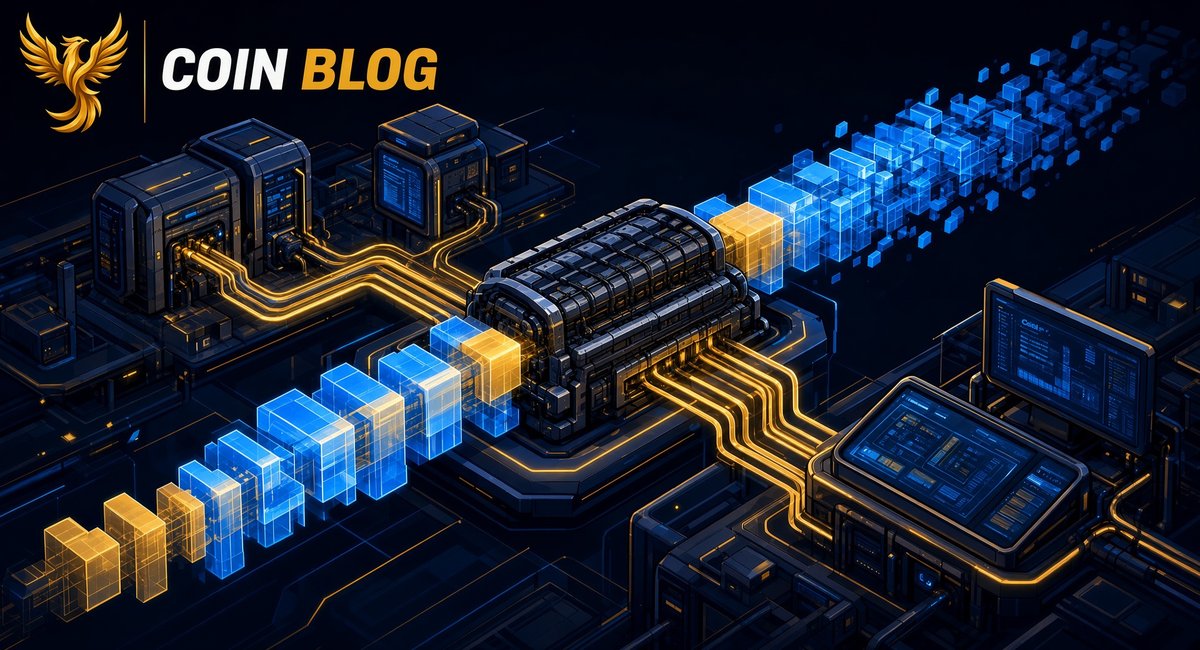
Base’s current upgrade plan moves toward native 200-millisecond L2 blocks and away from the existing Flashblocks architecture. The Base upgrade changelog says the planned design will run the full rollup block lifecycle every 200ms. Flashblocks, which currently expose sub-second updates while a block is being built, are planned for deprecation as part of the release.
The distinction matters for builders. Flashblocks provide a fast preconfirmation experience, but they are a separate stream around block construction. Native 200ms blocks would make the short confirmation cadence part of the canonical L2 block lifecycle itself.
That could simplify infrastructure for applications that need very fast state updates, including trading systems, wallets and automated agents. It may also reduce the number of separate interfaces developers have to maintain. The trade-off is migration work. Infrastructure that currently depends on the Flashblocks WebSocket stream will need to move before the new release is activated.
The technical details are available in Base’s upgrade changelog.
This is still a planning item, not a completed migration. The useful thing to watch is how developers adapt before activation and whether the 200ms canonical cadence changes the way applications treat Base confirmations.
For Base, the change is less about a bigger TPS headline and more about making fast execution part of the chain itself.