 Base
Base Unichain
 Robinhood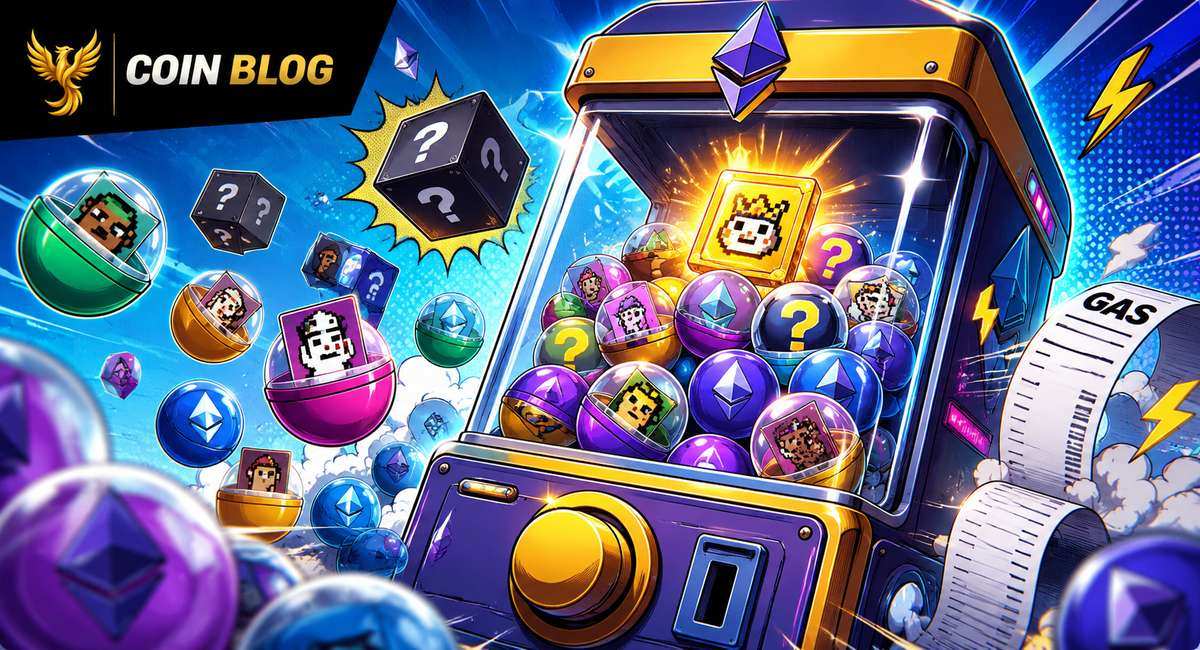
Fake World Assets turned old NFTs into an onchain gacha game. Users pay for a random package that is usually worth little but may contain a rare asset. Within days, the application became one of Ethereum's largest gas consumers. Daily fees peaked near $1.53 million on July 25, TVL exceeded $6.15 million by the end of the month, and the project reported 10,000 ETH of volume and 100,000 purchases by August 1. Some activity is linked to expectations of future token incentives.
The core product is neither an NFT nor a real-world asset. It is a transparent lottery mechanic with immediate resale of the result. Blockchain infrastructure makes the draw and item movement verifiable, but does not change the behavioral structure: rare wins are financed by a large number of unsuccessful purchases.
The name Fake World Assets captures the contrast with the RWA trend. Instead of tokenizing bonds or property, the project creates value from attention, scarcity and chance. High Ethereum fees demonstrate demand for the mechanic, not durable value in the collections. When incentives end, a user is left with an asset whose price depends on the next buyer.
The second-order effect concerns DeFi and game design. FWA's success will encourage projects to combine trading, loot boxes and future tokens, blurring the line between collecting and gambling. Watch user retention after the first incentives, revenue without token expectations, concentration of rare NFTs and regulatory responses. A product can generate large fees while producing a negative average outcome for participants. The key metric is not gross purchases, but how many users return when there is no promised airdrop or speculative campaign to subsidize attention.