 Base
Base Unichain
 Robinhood
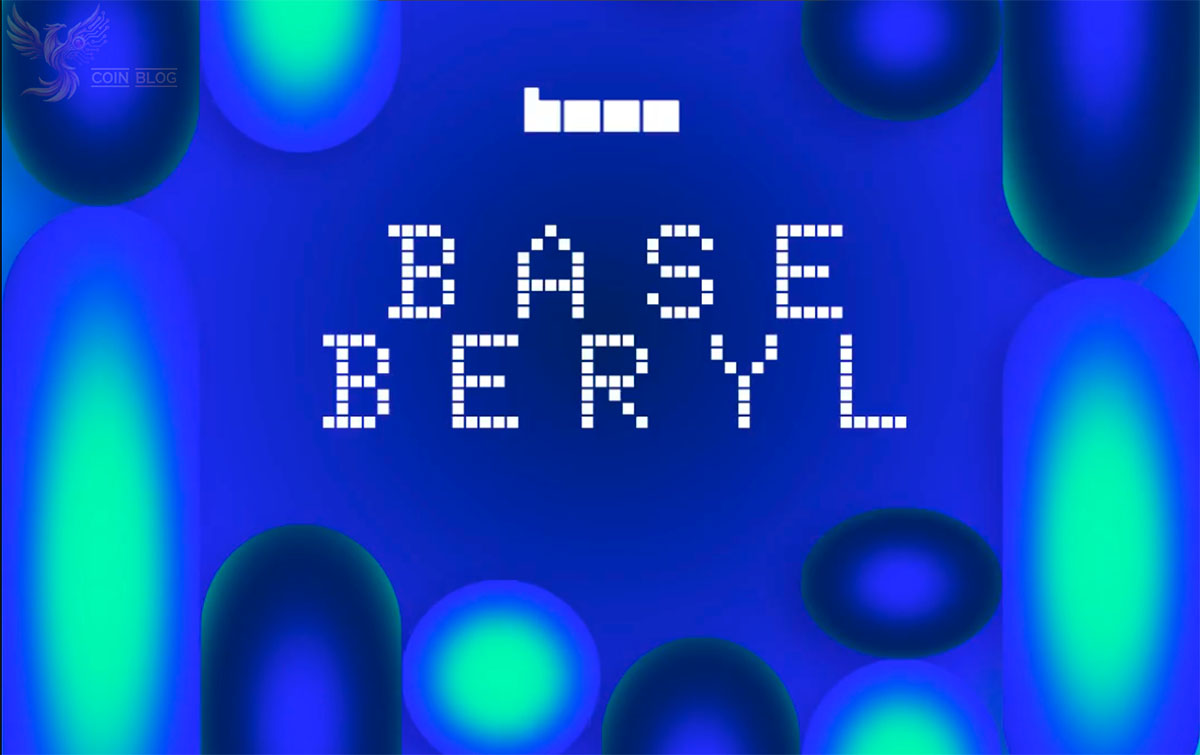
Base published a technical explanation of B20, the token standard used for Coinbase Tokenized Stocks. The interesting part is not the name of another token format. It is the compliance logic built into the asset itself.
Base says B20 supports controls such as freeze and seize, which are required for regulated securities, while also keeping the assets usable in onchain applications. The standard also uses a multiplier for corporate actions such as stock splits and dividends. Metadata can carry references that help holders understand the asset and its management history.
That creates a different design problem from a normal ERC-20. A stock token has to remain compatible with DeFi while still respecting restrictions attached to the underlying security. If those rules are implemented outside the token, every application has to understand them separately. Putting part of the logic into the asset standard can make integrations more consistent, although it also introduces more administrative controls than users expect from ordinary crypto tokens.
The Base Engineering explanation of B20 is the primary source.
B20 is therefore less about replacing ERC-20 and more about adapting token infrastructure to regulated assets.