
 Base
Base Unichain
 Robinhood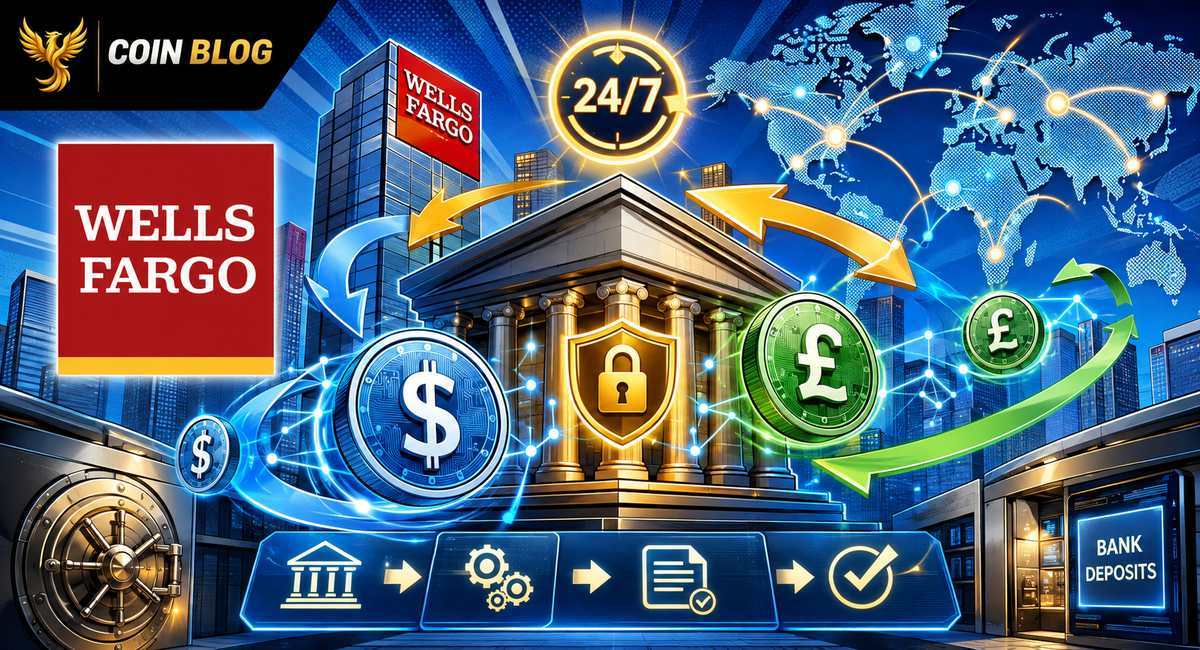
Wells Fargo plans to launch tokenized deposits for corporate and commercial clients this fall. The first version will represent US dollars and British pounds on the bank's proprietary blockchain and focus on cross-border payments. Clients will be able to transfer, program and settle funds around the clock. In 2027, Wells Fargo expects to add countries and currencies based on demand and connect with a broader bank tokenized-deposit network and selected private systems.
The token may resemble a stablecoin in user experience, but legally it remains a bank deposit. It carries the familiar credit exposure, accounting treatment and supervision of the bank, while funds stay inside the deposit system rather than moving to an external issuer. That is why banks view the model as easier to control.
The main competition will not be between blockchains but between forms of digital money. Stablecoins move more naturally across open networks. Tokenized deposits fit existing banking rights and procedures. A corporate treasurer cares less about ideology than the ability to pay at night, automate conditions and receive reliable reporting.
The risk is enclosure. A proprietary Wells Fargo network can be fast inside its perimeter, but usefulness falls when the recipient uses another bank or a public chain. Promised interoperability may matter more than the initial launch. Watch early volume, pricing, reversal rules, external-wallet support and how the bank manages continuous dollar and sterling liquidity. Tokenization becomes meaningful only when value can move beyond one bank's controlled environment without manual reconciliation. Until then, it is a faster internal ledger with a blockchain label rather than a genuinely connected settlement network.