
 Base
Base Unichain
 Robinhood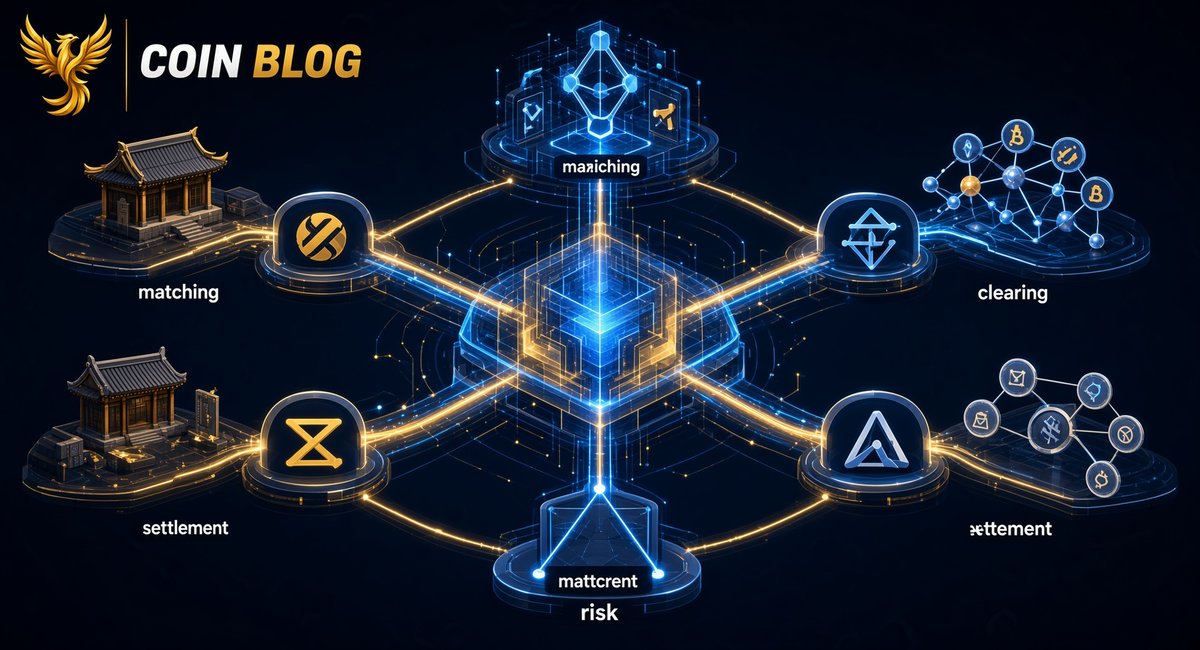
LayerZero introduced ATLAS as a headless exchange infrastructure for open and institutional markets. The August 25 announcement is slightly outside the immediate 48-hour window, but the project is important enough to watch because it changes where the exchange itself sits in the stack.
ATLAS is designed to combine matching, clearing, settlement and risk in one backend. There is no consumer-facing ATLAS app. Instead, trading venues can build their own interfaces and keep their users while using the same underlying exchange infrastructure.
That model is relevant to DeFi because many protocols currently rebuild parts of the same stack separately. A DEX handles execution, another system handles cross-chain messaging, another handles settlement, and external infrastructure handles risk or market data. A modular backend could reduce that duplication.
LayerZero says ATLAS is built on Zero and targets sub-millisecond latency, with 200,000 transactions per second shown on its product page. Those are architecture claims, not proof of production market quality. Real performance will depend on liquidity, market-maker participation and how the system behaves under stress.
The primary source is LayerZero’s ATLAS announcement.
The key question is whether venues actually want an exchange backend they do not own, or whether they will continue building their own execution stack.